- Fertility & Women’s Wellness
- +91-9082745079
- lifefertilitycentre.nh@gmail.com

Sperm Health and IVF: How to Maximize Chances of Successful Embryo Development
Male Fertility & IVF Success at Life Fertility Center — Dr. Katha Desai, Life Fertility Center, Mumbai
Sperm Health and IVF: How to Maximize Chances
Many couples preparing for IVF focus mainly on egg quality, medications, and embryo transfer. Sperm health often receives less attention, even though sperm contributes half of the embryo’s genetic material.
A good fertilization rate does not always mean a successful IVF outcome. Some embryos fertilize normally but stop developing between Day 3 and Day 5 because of hidden sperm-related problems.
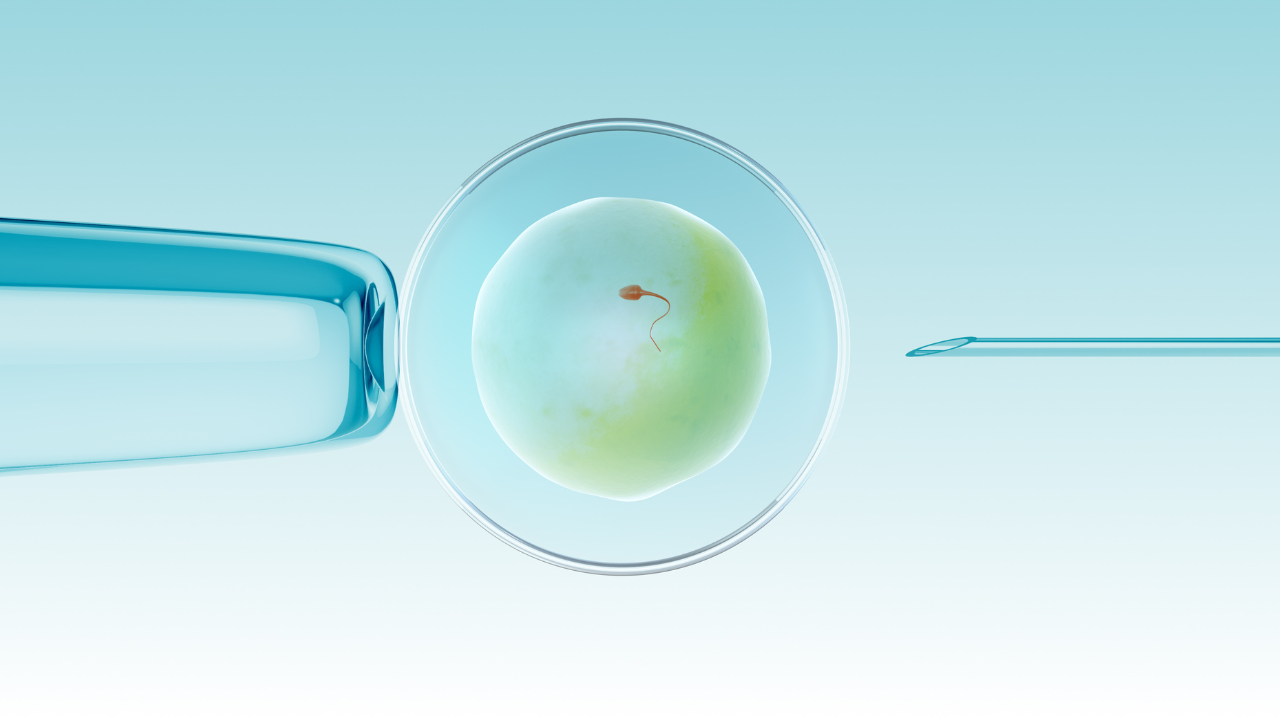
Understanding sperm DNA quality, advanced testing options, lifestyle changes, and fertility treatments can help you make better decisions before starting IVF Treatment in Mumbai or anywhere else.
Why Sperm Health Matters More Than Just Sperm Count
A semen analysis is usually the first test performed during male fertility evaluation. It checks:
- Sperm count
- Sperm movement (motility)
- Sperm shape (morphology)
These parameters provide important information, but they do not show the complete picture.
According to WHO 6th Edition reference values, normal semen parameters include:
- Progressive motility: around 30% or higher
- Normal sperm forms: around 4% or higher using strict Kruger morphology criteria
But a man can have a normal semen report and still have sperm DNA damage.
This is why some couples experience repeated IVF failures despite acceptable sperm count and movement.
The Day 3 to Day 5 Embryo Development: Where Sperm DNA Becomes Critical
The first few days after fertilization are mainly controlled by the egg’s stored cellular machinery.
Around Day 3, the embryo begins activating its own genetic instructions, including the paternal genome from the sperm.
This creates an important checkpoint.
- Stop growing before reaching the blastocyst stage
- Have poor embryo quality
- Show lower implantation potential
- Increase the risk of early pregnancy loss
For couples who achieve fertilization but repeatedly see embryo arrest between Day 3 and Day 5, sperm DNA testing becomes an important discussion point.
A fertility specialist like Dr. Katha Desai evaluates the complete fertility picture instead of focusing on only one parameter.
Sperm DNA Fragmentation: The Hidden Factor Behind IVF Challenges
Sperm DNA fragmentation refers to breaks or damage within sperm genetic material.
A commonly used measurement is the DNA Fragmentation Index (DFI). General interpretation:
| DFI Level | Interpretation |
|---|---|
| Below 15% | Lower level of DNA fragmentation |
| 15–25% | Moderate fragmentation |
| Above 25–30% | Higher risk of poor embryo development and pregnancy complications |
- Oxidative stress
- Varicocele
- Smoking
- Infections
- Increasing paternal age
- Heat exposure
- Certain lifestyle factors
Does ICSI Solve All Male Fertility Problems?
Intracytoplasmic Sperm Injection (ICSI) has changed the management of male infertility. It allows an embryologist to inject a single sperm directly into an egg.
It is useful for conditions like:
- Very low sperm count
- Poor sperm movement
- Previous fertilization failure
But ICSI does not repair damaged sperm DNA.
A sperm may look normal under magnification but still carry genetic damage.
When couples experience repeated IVF failures, poor blastocyst formation, or unexplained implantation problems, doctors may consider additional sperm evaluation and advanced selection methods. These may include:
PICSI uses the sperm’s ability to bind with hyaluronic acid, helping identify mature sperm with better functional characteristics.
Devices such as Zymōt chips help separate sperm with better movement and lower levels of DNA damage.
In selected cases with very high DNA fragmentation, sperm retrieved directly from the testis may show lower DNA damage compared with ejaculated sperm.
Your fertility specialist decides whether these approaches are suitable based on your reports and previous IVF history.
Lifestyle Changes That Can Improve Sperm Quality
Oxidative stress is one of the major causes of sperm DNA damage. Helpful steps include:
- Eating fruits, vegetables, nuts, seeds, and protein-rich foods
- Maintaining a healthy weight
- Exercising regularly
- Avoiding smoking and excessive alcohol
- Sleeping adequately
Some fertility specialists may recommend antioxidants such as CoQ10, L-carnitine, zinc, or folate after evaluating individual needs.
Avoid taking multiple supplements without medical guidance because the right combination depends on your health profile.
The testes naturally function at a lower temperature than the body. Repeated heat exposure from:
- Hot tubs
- Saunas
- Heated seats
- Keeping laptops directly on the lap
may affect sperm production.
Men preparing for IVF should reduce avoidable heat exposure during the months before treatment.
Medical Evaluation Before IVF Treatment
A complete male fertility assessment may include more than a routine semen test. Doctors may recommend:
Useful for couples with:
- Repeated IVF failure
- Recurrent pregnancy loss
- Poor embryo development
- Unexplained infertility
Tests like FSH, LH, testosterone, and estradiol help evaluate sperm production problems.
Men with very low sperm counts or azoospermia may require tests like:
- Karyotype analysis
- Y chromosome microdeletion testing
These identify genetic factors that may affect sperm production and future treatment planning.
Improving IVF Success Through a Complete Fertility Approach
IVF success depends on multiple factors, including egg quality, embryo development, uterine health, and sperm quality.
At Life Fertility Center, fertility care focuses on understanding the reason behind infertility rather than only treating the symptoms.
For couples planning IVF, Fertility Preservation, or fertility assessment, discussing male fertility early can prevent delays and help create a suitable treatment plan.
A detailed evaluation by an experienced fertility specialist like Dr. Katha Desai can help couples understand their options and prepare better for treatment.
FAQs
Conclusion
Sperm health is a key factor in IVF success and goes beyond sperm count alone. Understanding DNA fragmentation, embryo development stages, and advanced sperm assessment can help couples make informed fertility decisions.
If you are planning IVF Treatment in Mumbai, a detailed evaluation of both partners provides a clearer path forward. With proper testing, personalised care, and guidance from fertility specialists, couples can take meaningful steps toward improving their chances of achieving a healthy pregnancy.
Planning IVF Treatment in Mumbai?
Consult Dr. Katha Desai at Life Fertility Center for a detailed evaluation of both partners, advanced sperm assessment, and personalised fertility care.
Book Consultation